Beyond Vanity: The Positive Impact of Aesthetic Plastic Surgery on Individuals and Society
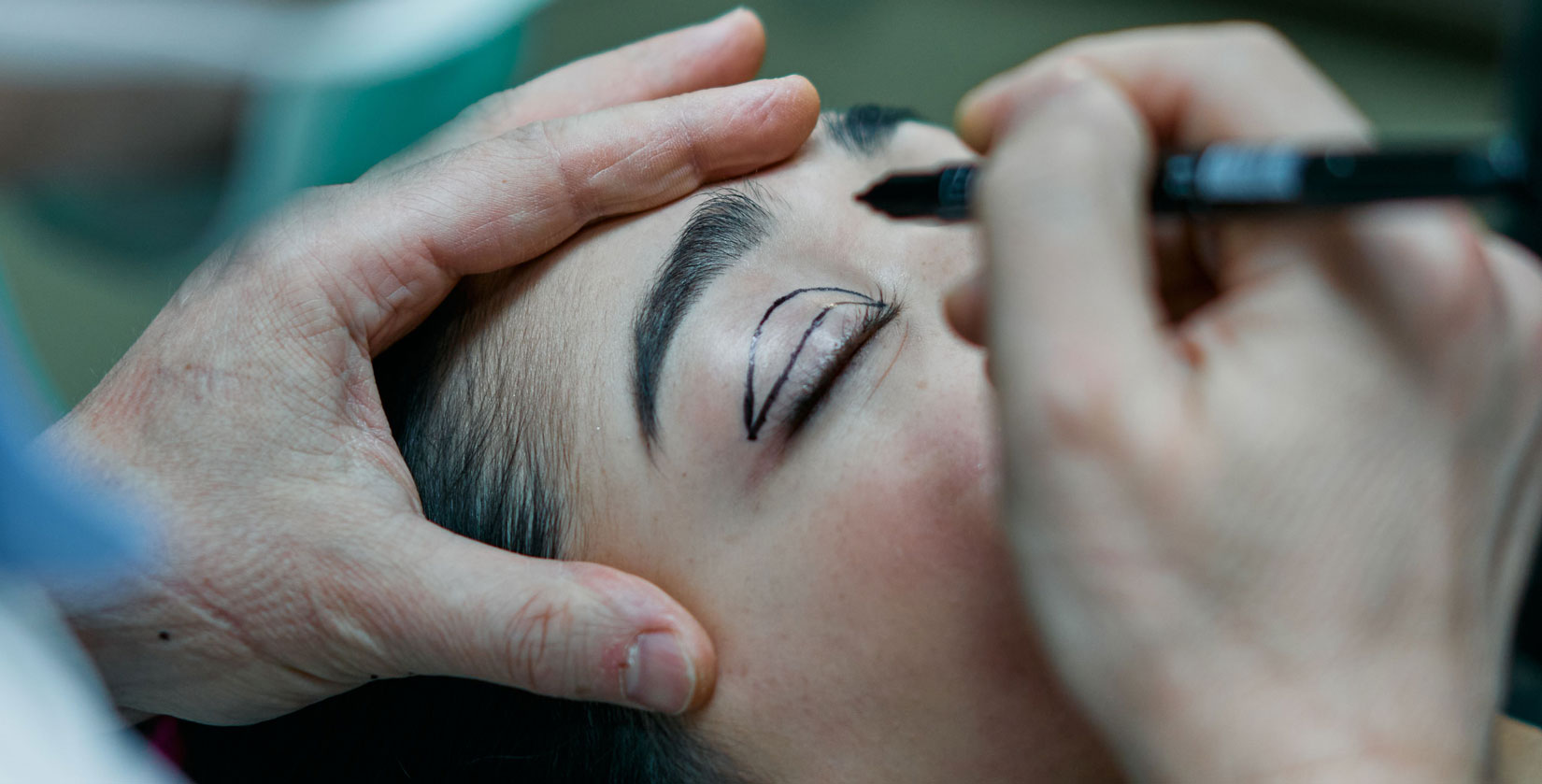
Few areas of modern medicine generate as much debate as aesthetic plastic surgery. To some, it represents empowerment, confidence, and self-improvement. To others, it symbolizes vanity, social pressure, and unrealistic beauty standards.
Yet beneath the headlines, social media opinions, and public stereotypes lies a more important question:
Why do people choose aesthetic surgery in the first place?
The answer is rarely as simple as critics imagine.
The Human Desire to Improve
Human beings have always sought to improve their appearance. Across cultures and centuries, people have adorned themselves with jewelry, makeup, clothing, hairstyles, perfumes, tattoos, and countless other forms of self-expression.
We celebrate orthodontics for straightening teeth. We admire fitness transformations. We spend billions on skincare, hair restoration, and anti-aging treatments.
Yet when aesthetic surgery enters the conversation, many suddenly treat appearance enhancement as a moral failing.
This raises an important question: Why is altering appearance acceptable in some forms but controversial in others?
The reality is that aesthetic surgery exists on the same spectrum of self-improvement that society already embraces in many other ways.
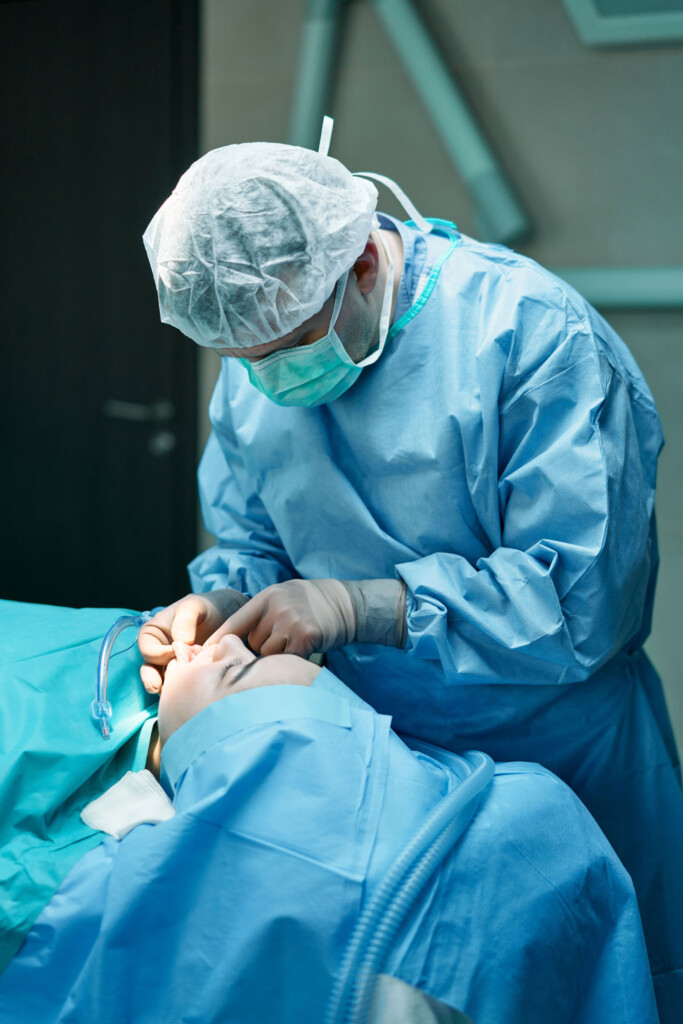
Confidence Is Not Vanity
One of the greatest misconceptions surrounding aesthetic surgery is the belief that it is driven purely by vanity. In clinical practice, this is rarely the case.
Many patients live for years with insecurities that affect their confidence, relationships, careers, and social interactions.
Consider the young man with gynecomastia who avoids swimming pools and beaches. The woman who has undergone significant weight loss but remains burdened by excess skin. The mother struggling to recognize her body after pregnancy. The individual who avoids photographs because of a feature that causes embarrassment.
These are not superficial concerns. They are deeply personal experiences that influence how individuals engage with the world.
When confidence improves after a procedure, the change often extends beyond physical appearance and positively impacts professional performance, relationships, and quality of life.
Appearance Matters Whether We Admit It or Not
A common criticism of aesthetic surgery is that appearance should not matter.
In an ideal world, perhaps it shouldn’t.
However, reality tells a different story.
Numerous studies in psychology and sociology have demonstrated that physical appearance influences first impressions, hiring decisions, social interactions, and even perceived competence.
Society rewards attractiveness in subtle and sometimes overt ways.
The entertainment industry, advertising, fashion, social media, and even professional environments all reflect this reality.
Plastic surgeons did not create these societal preferences.
We simply work within a world where appearance undeniably influences human experience.
Criticizing individuals for responding to these realities while simultaneously benefiting from appearance-based judgments creates a contradiction that deserves reflection.
The Overlooked Mental Health Dimension
Modern healthcare increasingly recognizes that mental and emotional well-being are essential components of overall health.
We accept treatment for anxiety, depression, trauma, and countless conditions that affect emotional quality of life.
Yet when emotional distress is linked to physical appearance, society often dismisses it as vanity. This represents a significant double standard.
The psychological burden of living with a feature that causes persistent embarrassment or self-consciousness can be profound.
Aesthetic surgery does not replace psychological health, nor should it be viewed as a solution to all emotional challenges. However, for carefully selected patients, it can play a meaningful role in improving self-image and reducing long-standing distress.
Quality of life is a legitimate medical outcome. Confidence is not a trivial concern.
Aesthetic Surgery and Personal Autonomy
At its core, the debate surrounding aesthetic surgery is also a debate about personal freedom.
Modern society strongly supports individual autonomy in decisions involving education, career choices, lifestyle, fitness, relationships, and personal expression.
Why should decisions about one’s own appearance be treated differently?
An informed adult has the right to make choices regarding their body, provided those choices are safe, ethical, and made with realistic expectations.
Respecting bodily autonomy means respecting not only the decision to remain unchanged, but also the decision to pursue change. True freedom includes both options.

The Difference Between Ethical Surgery and Unrealistic Expectations
Critics are correct about one thing: the field of aesthetic medicine is not immune to problems.
Social media filters, unrealistic beauty ideals, aggressive marketing, and unethical practitioners can create unhealthy expectations.
However, these issues should not be confused with the specialty itself. The answer to poor practice is not the rejection of aesthetic surgery. The answer is ethical surgery.
Responsible surgeons have a duty to educate patients, manage expectations, identify unsuitable candidates, and prioritize psychological well-being alongside physical outcomes.
Good aesthetic surgery is not about creating perfection. It is about helping individuals achieve harmony between how they feel and how they perceive themselves.
The Social Value of Aesthetic Surgery
The positive impact of aesthetic surgery extends beyond individual patients.
People who feel confident are often more likely to participate fully in society, pursue opportunities, engage socially, and contribute positively to their communities.
A confident individual may become a better leader, entrepreneur, parent, teacher, artist, or professional. The benefits of improved self-esteem do not stop at the mirror. They ripple outward into families, workplaces, and society as a whole. This does not mean aesthetic surgery is necessary for happiness.
It simply means that for some individuals, it can be one of many tools that contribute to personal well-being and fulfillment.
Moving Beyond Stereotypes
Perhaps the greatest obstacle facing aesthetic plastic surgery today is not the procedures themselves, but the stereotypes surrounding them.
The public narrative often focuses on celebrity culture, extreme transformations, and sensationalized outcomes.
Far less attention is given to the countless ordinary individuals whose lives improve quietly and meaningfully after treatment.
The woman who regains confidence after breast reconstruction and enhancement. The man who no longer hides because of gynecomastia. The patient who finally feels comfortable in photographs. The mother who feels like herself again after childbirth.
These stories rarely make headlines, yet they represent the true impact of aesthetic surgery.
Conclusion
Aesthetic plastic surgery is often reduced to a debate about beauty.
In reality, it is about something much deeper.
It is about confidence.
It is about dignity.
It is about autonomy.
It is about the relationship people have with their own bodies and their own identities.
The question is not whether everyone should undergo aesthetic surgery.
The question is whether informed adults should have the freedom to make choices that improve their quality of life without being judged through simplistic stereotypes.
Every day, society encourages people to improve their education, careers, fitness, finances, and lifestyles. Perhaps it is time we acknowledge that improving one’s relationship with the mirror can be just as meaningful. Because ultimately, aesthetic surgery is not about helping people become someone else. It is about helping them become more comfortable being themselves.
Dr. Anoop G. Mohan is a leading Aesthetic Plastic Surgeon, Body Sculptor, and Medical Director of TLC AESTHETICA. An internationally invited speaker and trainer, he is known for his work in body contouring, aesthetic innovation, and advancing ethical standards in cosmetic surgery.
Beautiful Abdomen: Understanding Abdominal Muscles, Pregnancy, and the Art of Superior Muscle Repair
People make a mistake when they think its just fat that’s ruining their belly shape, In reality, the true foundation of that flat, toned, and youthful abdomen is the abdominal muscles.
READ MORE

Get in Touch – Your Journey to Confidence Starts Here!
Other Navigations
Social Media


